A bathroom should be one of the cleanest and freshest rooms in your house. When your bathroom smells like a sewer, despite regular cleaning, there could be a plumbing problem you cannot see.
Many plumbing-related problems, including damaged sewer lines and dry p-traps, can allow unwanted gases to enter your home. By knowing why your bathroom has this kind of odor you will know how to fix the issue and keep the air in your bathroom fresh.
Below are six common reasons why your bathroom smells like a sewer, and solutions to these problems:
1. Your dry p-trap is letting sewage smell get in your house
Most commonly, a dry p-trap is the reason for a bad sewer smell. A p-trap is usually the curved pipe under your bathtub, shower or sink. The p-trap contains some water at all times and seals your sewer system from your house.
When you don’t use a drain for long enough, the water in the p-trap can go away. As soon as that happens, sewage smells can flow into your bathroom through the same drain.
Fix the problem by letting some water run through the unused drain for 30 seconds up to 1 minute. This should put water back in the p-trap so you won’t get sewage smells again. If the smell does not go away then you probably have a leak in the trap or another plumbing issue.
2. Hair and soap buildup on the pipes underneath your sink cause bad smells
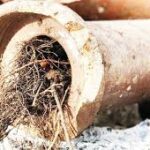
Bathroom drains can accumulate hair, soap scum, toothpaste etc. These items build up over time, creating a bio-mass that makes very bad smells. At first you may just experience slow draining of your sinks or showers or tubs. Then you may hear noises coming from under your sink. Or you may find pools of water forming where you would expect none.
Fix the problem: use a plunger or drain snake to try to clear out everything that’s causing the smell. Be careful with chemicals since many of them can ruin various types of plumbing. Do not use hot water to force chemicals down your drain. Hot water can melt pvc pipe; therefore always use cold water when running chemicals.
3. If there is no seal around your toilet, that means sewage gases will flow out from your toilet
The rubber or plastic ring (also called the “wax ring”) located on top of the flange (the metal piece holding the toilet bowl in place) creates a seal between the bottom of the toilet and the drainpipe. This seal keeps sewer gases and wastewater from flowing back into your bathroom.
However, if this wax ring gets damaged, comes apart or was poorly installed to begin with, sewage Odors can leak around the toilet. Additionally, you may notice puddles forming near the toilet base. Sometimes people can actually rock their toilet when sitting on it.
Fix the problem: a plumber will dismount the toilet to check and possibly replace the wax ring. A failed seal allows water to seep into the floor of your home as well as create space for mold growth.
4. If air cannot move through your plumbing system because of blockages in your vent pipe, you may experience gurgling drains, slow draining sinks/shower/tub and sewage smells coming from your bathroom.
Vent pipes are designed to allow air to pass freely through your plumbing system so that water can drain efficiently without creating vacuum pressures. Generally speaking, each sink/shower/tub has a separate vent pipe. The vents usually run straight up through the roof of your home.
But if something blocks one or both of these vent pipes (such as leaves, branches, animal nests etc.) then no air will be able to circulate through your plumbing system. Therefore, instead of moving smoothly and quickly through your pipes, you’ll likely experience gurgling noises while trying to drain anything. Likewise, you may observe slow-moving water when flushing toilets or draining sinks/showers/bathtubs. Lastly, unpleasant sewage smells may appear in bathrooms too.
Fix the problem: call a licensed plumber who specializes in plumbing ventilation systems. They’ll determine which vents need clearing and do it for you – safely!
5. Leaks in sewer lines can release unwanted sewer gases in areas near to your bathroom.
Damaged sewer lines can cause sewage Odors to emanate from areas surrounding your bathroom due to a crack/rupture in your sewer piping and/or poor connections/joints in those lines. Trees growing roots through your underground pipes and old age of sewer piping also lead to sewer damage. Keep an eye out for: persistent sewage Odors coming from different locations in your home; slow-draining multiple sinks/showers/bathrooms; bubbles emerging from toilets; & random water staining on floors/carpet throughout your home.
Fix the problem: have a video inspection done by a licensed plumber specializing in sewer services. Based upon the findings of that inspection he will decide whether or not specific sections of damaged pipe(s) can be repaired (with epoxy coatings or patching) or if new sewer piping needs to be installed throughout your home.
6. Bacterial growth within your drains produces those awful smells
Biofilm is essentially layers of Bacteria and organic matter that grow within bathroom drains. Biofilm accumulates primarily in areas such as: around drain coverings; overflows from drains; & wall surfaces of pipes.
As Bacteria feed off accumulated organic waste in the biofilm they will naturally release gases which give off nasty smelling vapors resembling sewage or rotten eggs.
Fix the problem: regularly clean exposed drain covers/pipes as much as possible with soap and warm/hot water. For stubborn biofilm buildup call a licensed plumber for drain maintenance work.
What types of problems require professional help?
When you’ve cleaned your bathroom thoroughly but continue to receive unpleasant sewage Odors, it’s likely indicative of an ongoing problem with your plumbing system. Some indicators include: repeated sewage Odors; multiple slow-draining sinks/showers/bathrooms; gurgling toilets; & unexpected moisture around fixtures/fixtures.
Please note: sewer gas can include hydrogen sulfide (h2s), & other toxic gases that pose health risks. If you encounter strong sewage/rotten egg smells evacuate the immediate area & refrain from using open flame/water/electrical appliances until contacting a certified plumber. In cases where someone feels dizzy, nauseous or experiencing respiratory distress please seek medical attention immediately.
Let our experts assist you in keeping your bathroom free of harmful Odors
Whether your bathroom continually emits foul sewage Odors after thorough cleaning; or if you’re concerned about potential problems caused by hidden plumbing issues we want to assist you in finding solutions to solve these issues before they become major concerns.